
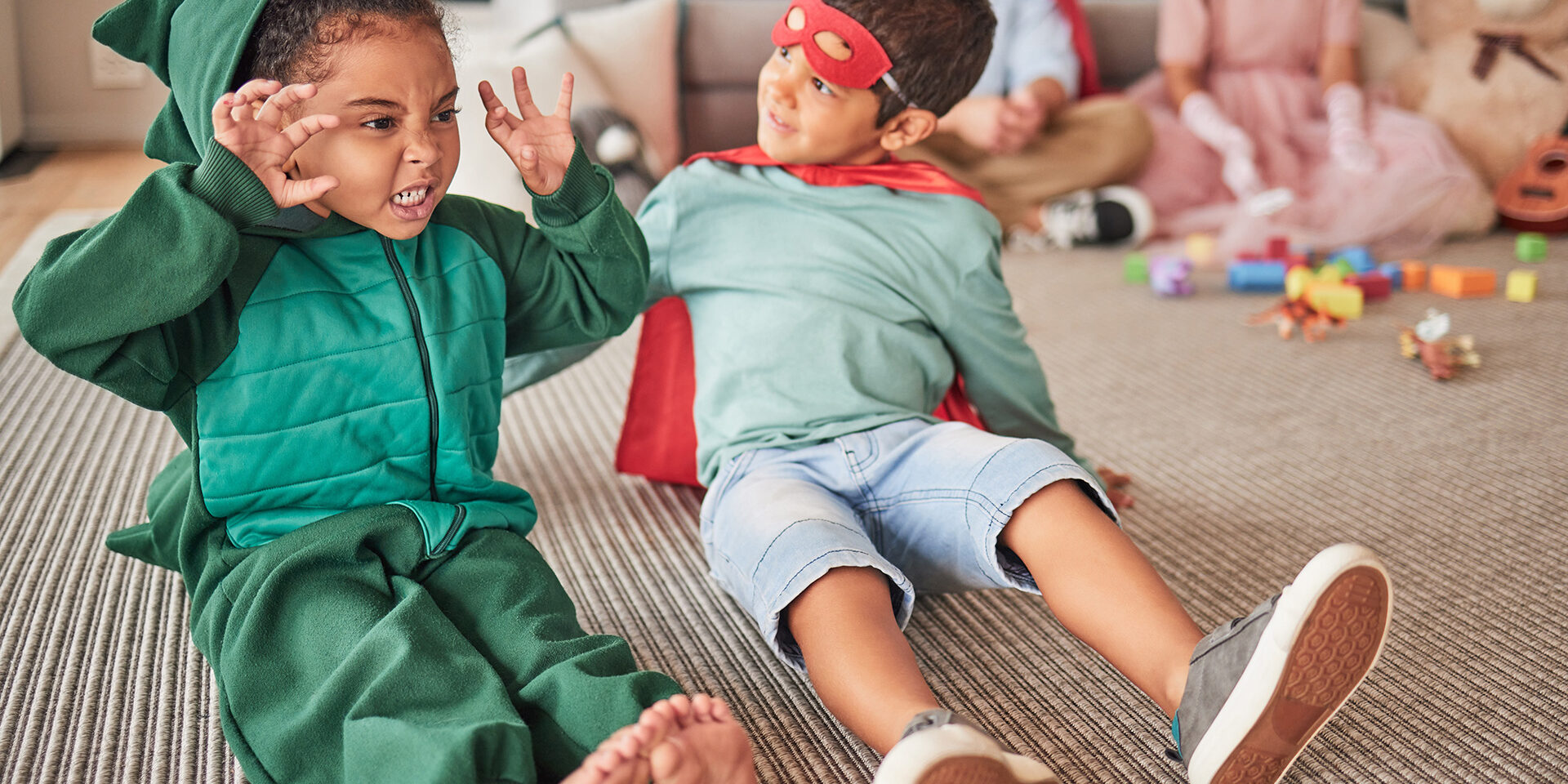
Halloween should be fun. But for many kids, costumes are anything but fun to wear. Scratchy fabric, tight elastic, and stiff masks can turn a fun night into a stressful one.
The good news? A great costume doesn’t have to be store-bought or “traditional.” It just has to work for your child. Here’s how to find one they’ll actually want to wear!
Why Traditional Costumes Can Be Hard for Some Kids
Most Halloween costumes are made to look good, not to feel good. That can be a problem for kids who are sensitive to touch, sound, or texture.
Here are some common costume struggles:
- Scratchy or stiff fabric
- Tags that rub against the skin
- Tight cuffs, collars, or waistbands
- Masks that cover the nose or mouth
- Heavy layers that trap heat
- Flashing lights or sound effects
None of these problems mean your child “doesn’t like Halloween.” They usually just mean the costume itself needs a rethink.

Look for Soft, Tagless, Breathable Clothing
Comfort should come first! When you shop for a costume, feel the fabric before you buy it.
Soft cotton and jersey knits tend to feel best. Avoid stiff polyester, sequins, or scratchy trim if your child is sensitive to texture. Cut out tags right away, or choose tagless options when you can find them.
Loose, breathable clothing also helps prevent overheating. This matters a lot if your child will wear the costume over a layer or under a coat.
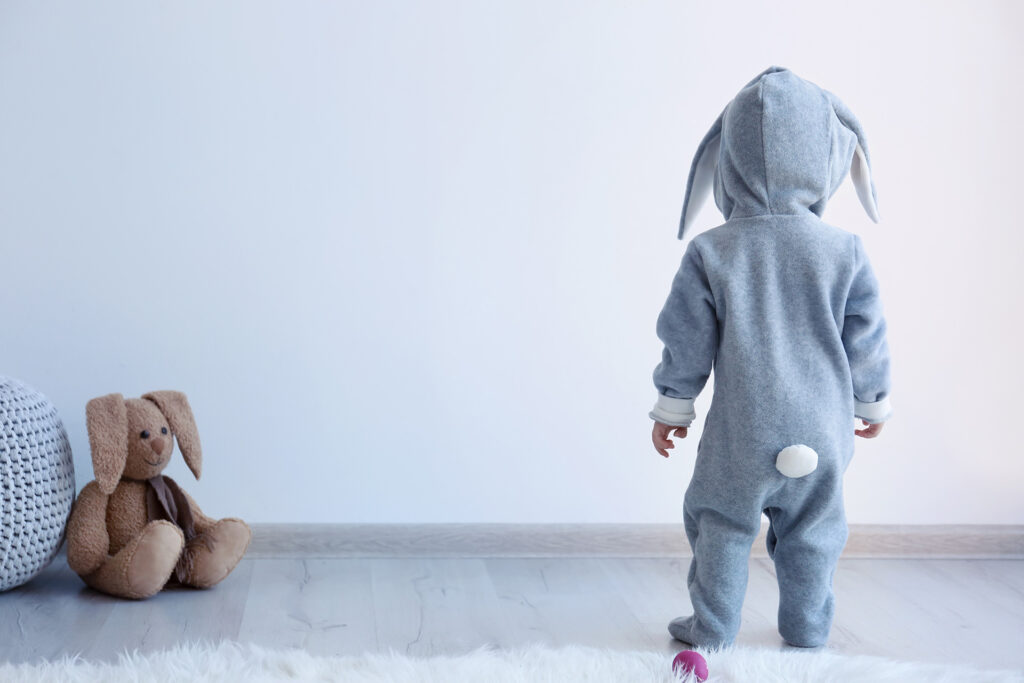
Consider Pajamas or Familiar Clothes as a Costume Base
You don’t need a costume kit to make Halloween magic happen. Clothes your child already wears and loves make a great starting point.
A few easy ideas:
- Cozy pajamas become a “sleepy dinosaur” or “cuddly bear” with simple felt ears
- A favorite hoodie becomes part of a superhero look
- Everyday leggings and a t-shirt become the base for face paint or a simple sign
Because the clothing already feels good, your child can focus on the fun part instead of the discomfort!
Skip the Mask if Your Child Doesn’t Like Things on Their Face
Masks are one of the biggest costume challenges. They limit breathing room, restrict vision, and press against the face in ways that feel overwhelming.
If your child struggles with anything near their face, skip the mask completely. A hat, headband, or a bit of face paint on the cheek can add just as much character. Some kids do better with stickers than paint, so try a few options ahead of time.
Offer a Few Choices, Not Endless Options
Too many costume choices can feel overwhelming. Instead, narrow things down to two or three options your child can actually tolerate. Then let them pick.
This gives your child a sense of control over the process. It also helps you avoid a last-minute costume that looks great but never makes it out the front door.
Practice Wearing the Costume Before Halloween
New clothing often feels different the first time it’s worn. Give your child a chance to try the costume on a few days ahead of time.
Start small. A few minutes around the house is a great start. Add more time each day as your child gets used to the feel of it. This kind of practice can turn Halloween night into something familiar instead of something new and stressful.
Adapt a Costume Your Child Already Loves
If your child has a character or theme they already love, build around that instead of starting from scratch.
A few ways to adapt a favorite costume:
- Swap a scratchy cape for a soft fleece blanket version
- Remove a mask and add face paint or a headband instead
- Replace tight gloves with fingerless ones, or skip them
- Choose a shirt with a favorite character instead of a full costume set
Small changes like these keep the parts your child loves while removing the parts that feel hard.
Halloween Doesn’t Require a Traditional Costume
A traditional costume is not a requirement for a great Halloween. Comfortable clothes in a favorite color, a themed t-shirt, or even everyday clothes with a small prop can be just as festive.
What matters most is that your child feels comfortable and included. However your family celebrates, that’s the version of Halloween worth having.
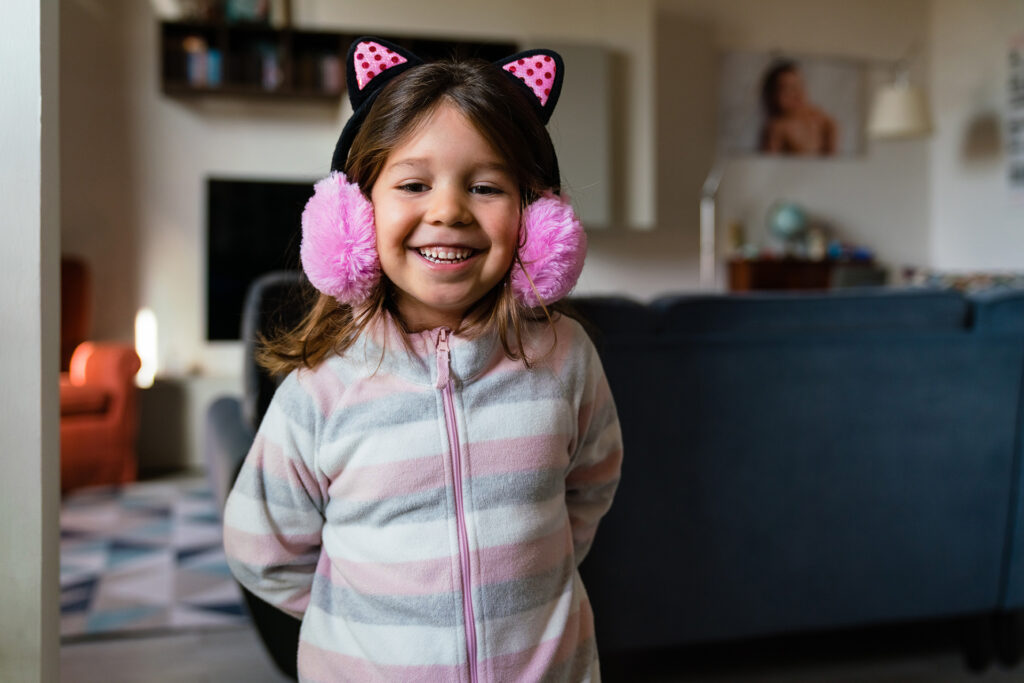
What if my child refuses to wear any costume at all?
That’s okay. Comfortable, everyday clothes are a completely valid way to take part in Halloween. Participation matters more than the outfit.
How early should we start practicing with the costume?
A week or two ahead of time gives most kids plenty of time to adjust. Start with short practice sessions and build up from there.
Are there sensory-friendly costume brands to look for?
Look for brands that specialize in tagless, seamless, or adaptive clothing. Many everyday clothing brands also offer tagless and soft-seam options that work well as costume bases.
What if my child likes some parts of a costume but not others?
Keep the parts that work and swap out the rest. A costume doesn’t need to be all-or-nothing to be fun!