
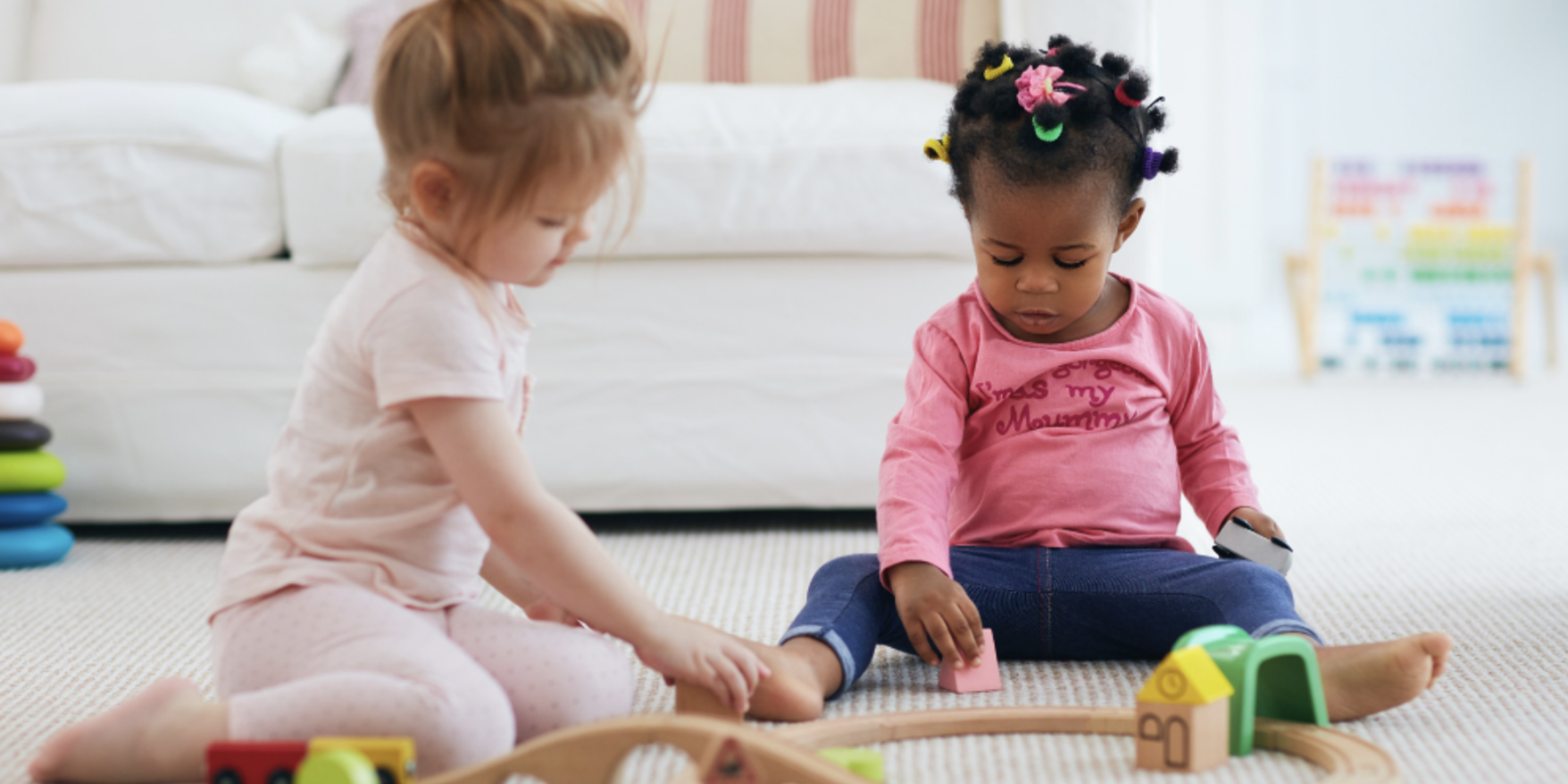
Every great skill starts with a strong foundation — and social skills are no different. Our Social Beginnings early beginner curriculum is thoughtfully designed to help children build the essential social skills they need to grow their confidence and build connections.
Through fun, structured, and meaningful experiences, children learn how to interact with peers in positive and supportive ways — all while enjoying the process.
What Skills Does the Early Beginner Curriculum Focus On?
At the early beginner level, we focus on the building blocks of social development. These are the skills children use every day to connect with others and participate in group environments.
Your child will work on:
- Requesting items from peers
- Sharing and taking turns
- Waiting patiently
- Participating in group and classroom activities
- Engaging with peers in simple, meaningful ways
These foundational skills help children feel more comfortable and confident when interacting with others — setting them up for long-term success.
 Learning Through Play and Hands-On Activities
 Learning Through Play and Hands-On Activities
Children learn best when they’re engaged and having fun. That’s why our early beginner curriculum uses hands-on, interactive activities that keep children motivated and excited to participate.
Activities may include:
- Interactive games and group play
- Puzzles that encourage cooperation
- Creative art projects
- Simple science experiments
- Other fun, structured experiences
Each activity is designed to naturally encourage communication, teamwork, and positive peer interactions — all in a supportive and engaging environment.
How Foundational Skills Lead to Bigger Growth
By strengthening early social skills, children gain the tools they need to develop more advanced abilities over time.
As they grow, these foundational skills support:
- Conversational skills
- Perspective-taking
- Emotional awareness
- Behavioral flexibility
This step-by-step approach helps children build confidence while learning how to navigate social situations more independently.
A Closer Look: What a Lesson Might Look Like
During a creative art activity, your child may practice requesting materials they need from a peer, such as a specific color marker or a pair of scissors. They’ll also work on waiting patiently if an item isn’t immediately available.
At the same time, children are encouraged to ask and answer simple questions about each other’s artwork to show interest in their peers. For example, a child might ask, “What animal did you draw?” This helps build communication skills while promoting connection and curiosity about others.
Our staff cannot wait to support your child’s learning journey! Don’t believe us? Check out what Clinical Supervisor Fatima Amjad Ahmed has to say about the Social Beginnings program:
“I am truly proud to be part of Social Beginnings! We work on skills that allow our clients to be part of the conversation, to not be left behind in social environments. It is very rewarding to hear when a client has reached a social milestone with their families, friends, and classmates. Our kiddos rock!”
Supporting Your Child’s Social Journey
 Our early beginner curriculum is designed to meet children where they are and help them grow at a pace that feels supportive and achievable. By combining structure, play, and purposeful teaching, we help children build confidence, connection, and a strong foundation for future social success.
If you’d like to learn more about how this curriculum can support your child, we’re here to help every step of the way. Contact our Care Coordinators today!